Add your promotional text...

Why Do People End Up in Credit Card Debt? Common Mistakes and How to Avoid Them
Many people don't plan to fall into credit card debt, but everyday spending habits can quickly add up. Learn the common causes of debt, practical ways to avoid it, and simple budgeting habits that can help you stay in control of your finances.
MONEY MATTERS
Marco Mercado
7/27/20263 min read
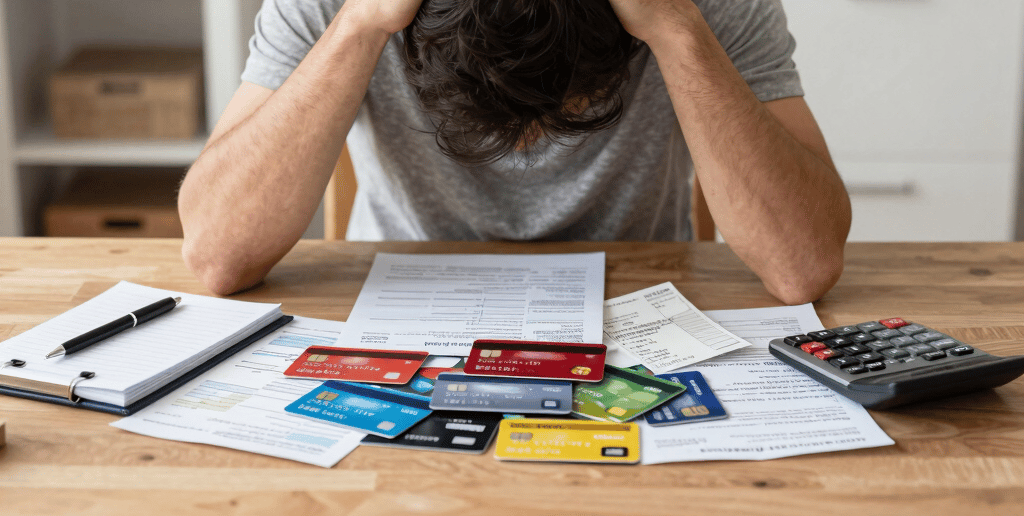

Why Do People End Up in Credit Card Debt? Common Mistakes and How to Avoid Them
Credit cards can be useful financial tools when used responsibly. They offer convenience, rewards, and fraud protection. However, many people gradually accumulate debt without realizing how quickly balances can grow.
The good news is that most credit card debt doesn't happen overnight. It usually develops through everyday habits that can be changed. Understanding these habits is the first step toward avoiding unnecessary debt and improving your financial future.
1. Not Having a Monthly Budget
One of the biggest reasons people struggle financially is simply not knowing where their money goes.
Without a monthly budget, it's easy to spend more than you earn. Small purchases such as coffee, streaming subscriptions, online shopping, and food delivery can quietly consume a large portion of your income.
Creating a realistic budget helps you understand your spending habits before they become a financial problem.
Helpful Tool: Try our Household Budget Planner to organize your monthly income and expenses before making major purchases.
2. Living Beyond Your Means
Many people purchase items they cannot comfortably afford because monthly payments appear manageable.
Buying a newer car, expensive electronics, luxury clothing, or taking costly vacations may feel rewarding in the moment, but relying on credit cards to maintain a lifestyle beyond your income often leads to long-term financial stress.
Living within your means doesn't mean giving up everything you enjoy. It means making spending decisions your future self will appreciate.
3. Trying to Keep Up with Others
Social media and advertising constantly encourage people to buy the newest products.
Friends may upgrade their phones, vehicles, or homes, making it feel like you should do the same.
Financial decisions should be based on your own goals—not someone else's lifestyle.
Remember:
Comparison is expensive.
4. Impulse Buying
Online shopping has never been easier.
With one-click ordering and frequent sales, many purchases happen without careful planning.
Before buying something, ask yourself:
Do I really need it?
Can I comfortably afford it?
Will I still want it next week?
Waiting even 24 hours before making a non-essential purchase can help reduce impulse spending.
5. Paying Only the Minimum Amount
Paying only the minimum required payment keeps your account in good standing, but it can also increase the total amount of interest you pay over time.
Whenever possible, paying more than the minimum can reduce both the balance and the total interest paid.
6. Not Having an Emergency Fund
Unexpected expenses happen.
Car repairs.
Medical bills.
Home repairs.
Job loss.
Without emergency savings, many households rely on credit cards simply because they have no other option.
Building even a small emergency fund can reduce the need to borrow when life takes an unexpected turn.
7. Ignoring Small Daily Expenses
Many people focus on large purchases while overlooking smaller expenses.
Examples include:
Daily coffee
Food delivery
Streaming services
Mobile app subscriptions
Convenience store purchases
Individually they seem minor.
Over several months, they can add up to hundreds or even thousands of dollars.
Tracking these expenses often reveals opportunities to save.
8. Not Comparing Before Buying
One of the easiest ways to reduce unnecessary spending is to compare products before making a purchase.
Checking prices, reading reliable reviews, comparing features, and waiting for seasonal sales can help you make smarter buying decisions.
If you haven't already, read our guide:
How to Compare Products Before Buying Online: A Smart Shopper's Guide
You may also find these helpful:
These articles support the same goal—making informed purchasing decisions before spending your money.
Simple Habits That Can Help You Avoid Credit Card Debt
Good financial habits don't require a high income.
Start with these practical steps:
Create a monthly budget.
Track your spending.
Avoid impulse purchases.
Live within your means.
Build an emergency fund.
Compare prices before buying.
Pay more than the minimum whenever possible.
Review your finances every month.
Small improvements made consistently can have a significant impact over time.
Final Thoughts
Credit card debt usually develops through small decisions repeated over months or years—not one single purchase.
The encouraging news is that those same habits can be replaced with healthier financial choices.
Understanding where your money goes, planning purchases, and following a realistic budget can help you avoid unnecessary debt and make more confident spending decisions.
If you're ready to take the first step, try our Household Budget Planner to organize your monthly income and expenses. It's a simple way to understand your finances and build better spending habits.
Disclosure: Some links on this website are affiliate links. If you make a purchase through them, we may earn a commission at no additional cost to you.
Stay Updated With Digital Tiangge
Support Digital Tiangge
Help us improve and maintain this website. Every contribution, no matter the size, helps us continue creating helpful content, product guides, and marketplace resources.
Thank you for your support!
🌐 Like this website?
🚀 Let us build one for you. Whether it's for your business, organization, or personal project, visit our Website Building page and see how we can bring your ideas online.