Add your promotional text...

Why the Philippines Looks Rich but Feels Poor to Many
Big cities rise fast, but wages stay small. This article explains the gap between modern looks and real living, revealing why everyday people feel left behind and what truly shapes life on the ground.
TRENDINGBEYOND THE MARKETPLACE
Marco Mercado
1/20/20263 min read
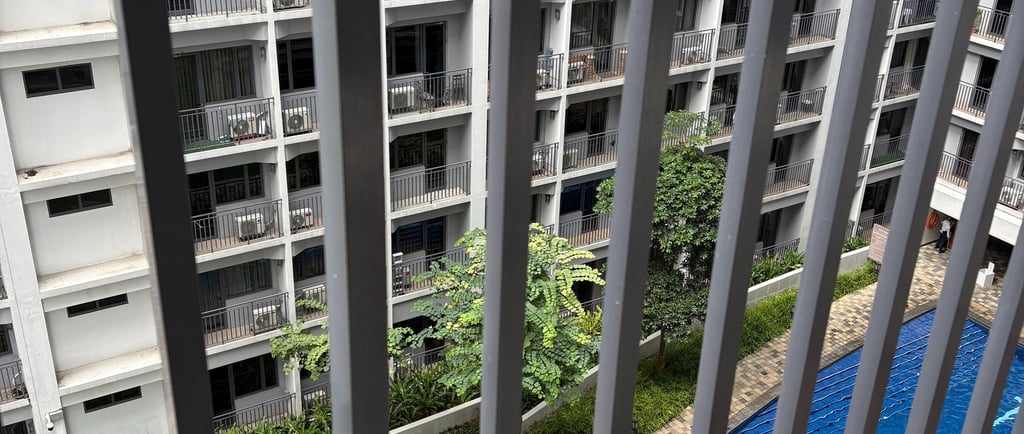
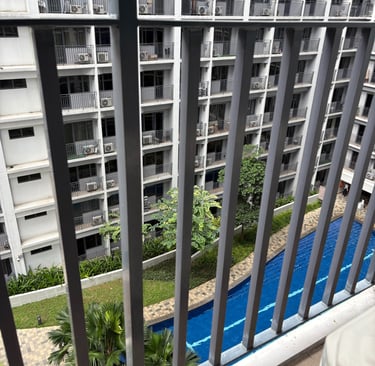
Walk through parts of Metro Manila, Cebu, or other growing cities and you will see signs of progress everywhere.
Glass towers rise above busy streets.
Luxury condominiums advertise modern living.
Massive shopping malls attract millions of visitors every year.
New roads, bridges, and developments continue to appear across the country.
To a visitor, the Philippines can look like a nation experiencing rapid growth and prosperity.
Yet many ordinary Filipinos tell a different story.
Despite all the visible development, daily life remains a struggle for countless families. Rent, food, transportation, utilities, and other basic expenses continue to rise while many workers feel their income cannot keep up.
This creates a question many people quietly ask:
How can a country look so successful while so many people still struggle?
The Difference Between Growth and Prosperity
Growth and prosperity are not always the same thing.
A city can add new buildings, shopping centers, hotels, and office towers while many residents see little change in their personal finances.
Economic growth measures the expansion of business activity and investment.
Prosperity is how much ordinary people benefit from that growth.
When people see new developments but continue facing financial stress, it can create a feeling that progress exists for some, but not for everyone.
The Cost of Living Keeps Rising
One challenge many families face is the rising cost of everyday life.
Expenses often increase in areas such as:
Housing
Electricity
Water
Transportation
Groceries
Education
Healthcare
Even when wages increase, higher prices can reduce the impact of those gains.
Many households carefully manage budgets every month simply to cover basic needs.
For families supporting children, elderly relatives, or extended family members, the pressure can be even greater.
The Reality of Commuting
For many workers, a significant part of the day is spent traveling.
Heavy traffic remains one of the most common complaints in major cities.
A trip that appears short on a map can sometimes take hours during peak periods.
The cost is not only financial.
Time spent commuting is time that cannot be spent with family, pursuing education, resting, or building additional income.
Many people view traffic as one of the hidden expenses of daily life.
Modern Buildings Do Not Guarantee Better Living Conditions
Luxury condominiums and premium developments often receive significant attention because they are highly visible.
They create an image of prosperity.
However, many workers cannot realistically afford these properties.
As a result, some people feel disconnected from the growth happening around them.
They see development taking place, but they do not feel they are participating in it.
This perception contributes to the belief that the country appears wealthier than many residents actually feel.
Why Many Filipinos Seek Opportunities Abroad
For decades, many Filipinos have pursued employment opportunities outside the country.
The reasons vary from family to family.
Some seek higher wages.
Others seek career advancement, financial security, or opportunities unavailable at home.
Money sent home by overseas workers has helped countless families improve their quality of life, support education, purchase homes, and build businesses.
At the same time, the desire to work abroad often reflects a belief that greater opportunities may exist elsewhere.
Success Stories Still Exist
While challenges are real, it is important to recognize that many Filipinos continue to succeed.
Entrepreneurs build businesses.
Professionals advance their careers.
Small business owners create jobs.
Students earn scholarships and achieve success in various industries.
The Philippines has produced remarkable achievements in business, technology, healthcare, education, entertainment, and sports.
These successes demonstrate that opportunity exists, even if access to those opportunities is not equal for everyone.
What Many People Really Want
Most people are not asking for luxury.
They are asking for stability.
They want:
Affordable housing
Reliable transportation
Good jobs
Quality education
Accessible healthcare
Safe communities
The ability to save for the future
When these goals feel out of reach, visible development can sometimes feel frustrating rather than inspiring.
My Personal Observation
As someone who has watched cities grow, I often notice the contrast between appearance and daily reality.
A city may look modern from the outside.
The skyline may suggest prosperity.
But the true measure of progress is not how tall the buildings are.
It is whether ordinary people feel their lives are improving.
Development matters.
Economic growth matters.
But for many families, the most important question remains simple:
Can hard work provide a better life?
That is the standard by which many people judge progress.
Final Thoughts
The Philippines is a country filled with talent, resilience, ambition, and potential.
Its growing cities and expanding economy show clear signs of development.
At the same time, many families continue to face challenges related to income, affordability, transportation, and opportunity.
This contrast helps explain why the country can appear wealthy while many people still feel financially strained.
True progress is not measured only by buildings, malls, or infrastructure.
It is measured by whether ordinary people can build secure, comfortable, and hopeful lives for themselves and their families.
When more people feel the benefits of growth, the gap between appearance and reality becomes smaller—and progress becomes something everyone can experience.
Disclosure: Some links on this website are affiliate links. If you make a purchase through them, we may earn a commission at no additional cost to you.
Stay Updated With Digital Tiangge
Support Digital Tiangge
Help us improve and maintain this website. Every contribution, no matter the size, helps us continue creating helpful content, product guides, and marketplace resources.
Thank you for your support!
🌐 Like this website?
🚀 Let us build one for you. Whether it's for your business, organization, or personal project, visit our Website Building page and see how we can bring your ideas online.